
Your Word Processor Is Important. But How Do You Use It?
Your word processor is an important tool. But how to make it do many things that are quite common in biblical studies has been pretty obscure.
Your word processor is an important tool. But how to make it do many things that are quite common in biblical studies has been pretty obscure.

Seeing how others work can help us hone our own craft. Here’s a behind-the-scenes look at Stephen Lawson’s essay in “Scripture First.”
Seeing how others work can give us helpful ideas for honing our own craft. Here’s a behind-the-scenes look at my essay in “Scripture First.”
The preorder bonuses for “Scripture First” focus on helping you see behind the scenes of and learn from the process for producing the volume.
“Scripture First” argues for reading Scripture along with earliest Christian tradition as the church seeks to express its unity better.

Combined with a few other steps, editing Word’s “Bibliography” style will give you more consistent formatting with fewer headaches.
You can get your bibliography to look like SBL style requires in a few different ways. But several common approaches create serious problems.
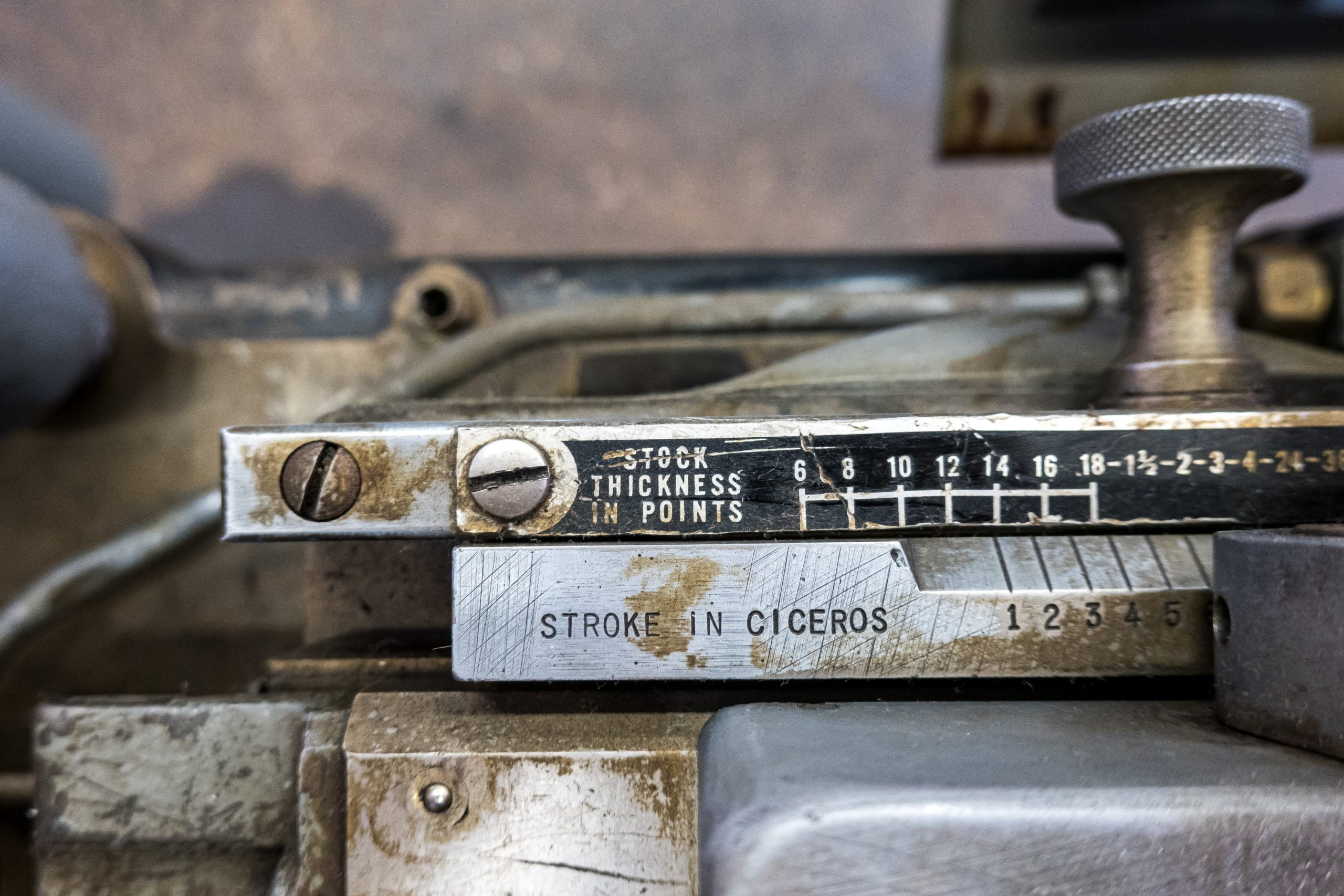
On the first page of a major section, SBL style asks for a 2-inch top margin. But that doesn’t mean you need to change the margin size in Word.

You need to budget your time to avoid having priorities assigned to it by social pressure that aren’t consistent with your vocation.
Budgeting your time can help put you in a better position to avoid additional time and energy spent managing schedule crises.
You need to budget your time in order to get the most out of it not only by doing more things but also—and more importantly—by doing more important things.
You need to budget your time in order to manage your commitments because your time is limited, but your possible commitments are unlimited.
Do you really need to budget your time in the first place? There are at least 4 very good reasons the answer is a firm “Yes.”
Michael Hyatt has a brief, helpful discussion of differences in mindset between successful and unsuccessful creatives.
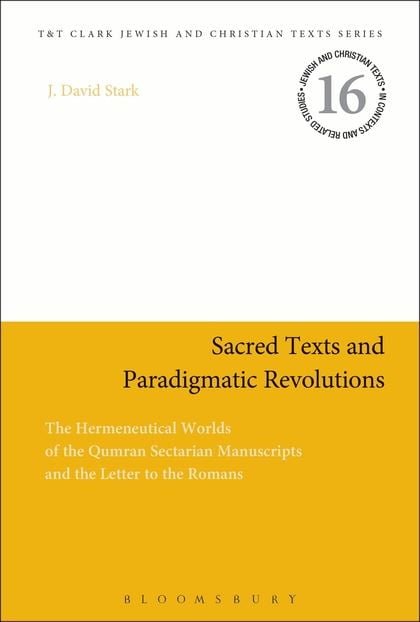
“Sacred Texts and Paradigmatic Revolutions” illustrates how modern readers can work to recover Second Temple interpretive contexts.

If your schedule is both regular and irregular, you can budget your time by combining approaches for regular and irregular time.

In a special podcast, Chris Jones and I discuss the challenging issues of Romans’s audience and the letter’s perspective on predestination.
From Rob Bradshaw: The following rare monograph is now available on-line in PDF: F.F. Bruce, Paul and the Mind of Christ. Leicester: Religious & Theological Students Fellowship, 1982. Pbk. pp.43. Visit the latest additions page for the link.
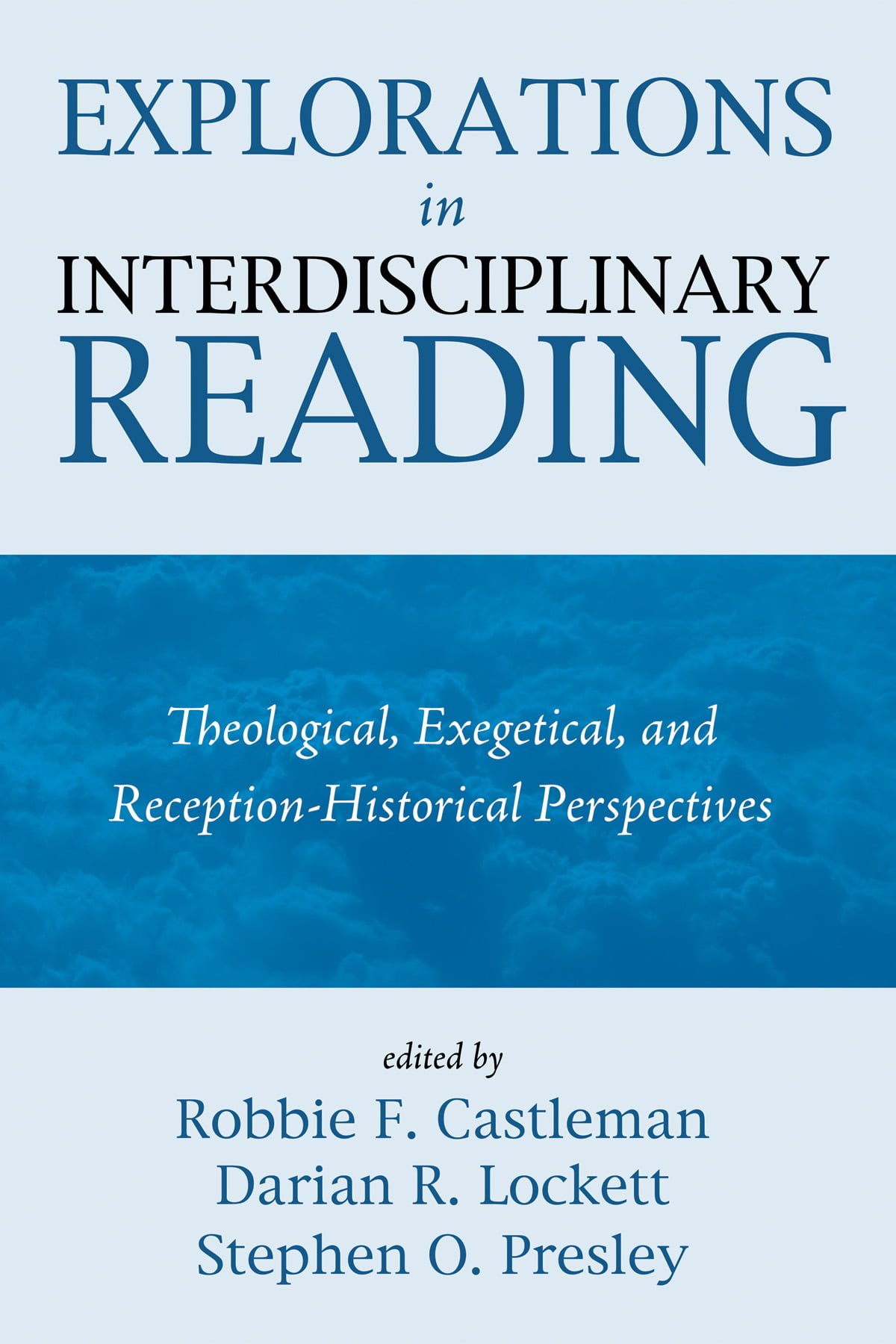
It can be a challenge to read Scripture historically and theologically. “Explorations in Interdisciplinary Reading” helps you address this challenge.
When you select a font, you select its size in a unit called “points.” But the font face also affects the visual size of lines and type on the page.
You can save yourself a lot of time by letting Word handle title page formatting—particularly when you’re vertically justifying the title page text.
If you delegate your title page formatting to Word, you can save time formatting. A key preparatory step is to properly segmenting your title page text.
In his Tyndale series Romans commentary, F. F. Bruce offers the following colorful, if also sad, illustration as he discusses Rom 6: A notable historical instance [of a tendency to read Paul as advocating antinomianism] may be seen in the Russian monk Rasputin, the evil genius of the Romanov family in its last years of power. Rasputin taught and exemplified the doctrine of salvation through repeated experiences of sin and repentance; he held that, as those who sin most require most forgiveness, a sinner who continues to sin with abandon enjoys, each time he repents, more of God’s forgiving grace than any ordinary sinner.((Bruce, Romans ( affiliate disclosure), 134.)) ...
If you delegate your title page formatting to Word, you can save yourself time spent formatting.((Header image provided by Etienne Girardet.)) You can also end up with a title page that’s more precisely formatted. To start delegating your title pages to Word, there are four basic steps. The first of these is to capitalize and center your title page text. ...
You can space your title page content simply by entering blank paragraphs. But if you do so, you set yourself up for more work and at least three problems.
To pass your title page formatting off to Word, you need to start by understanding what SBL style requires in formatting your title page.
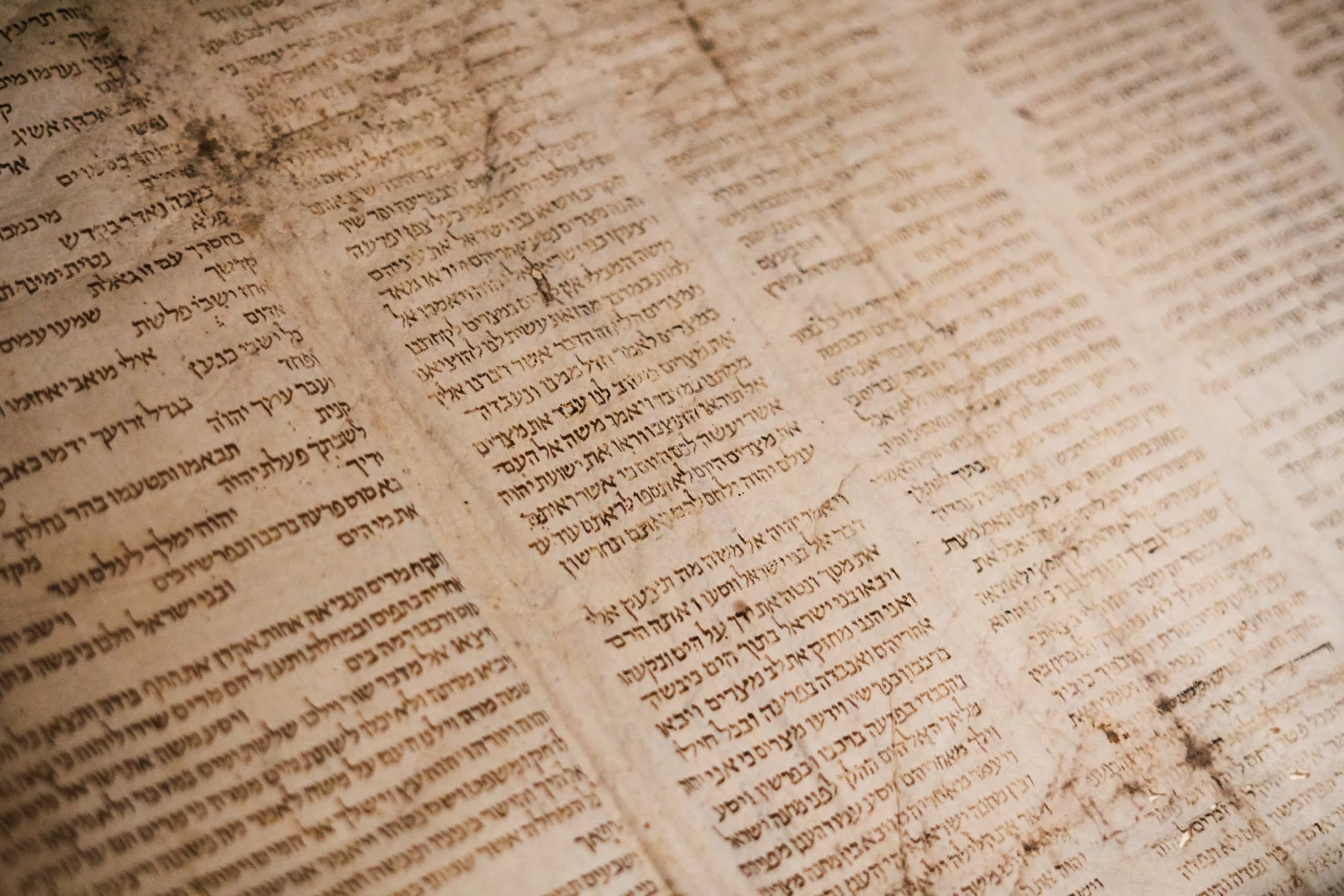
Okhlah we-Okhlah is a medieval compilation of information about the Hebrew Bible. Here are the basics about why it’s important and how to access it.

Style manuals often require that footnotes have a blank line between them. The best method for achieving this spacing is to edit the footnote style.
In INTF’s database, sometimes a transcription isn’t available or a manuscript image is harder to read. In these cases, check external image repositories.
With the document ID handy, INTF’s Liste search makes it quite easy to see additional information about that manuscript—and possibly the manuscript itself.