 David M. Moffitt is Professor of New Testament and early Christianity at the University of St. Andrews and an extraordinary researcher in the Unit for Reformational Theology and the Development of South African Society, Faculty of Theology, North-West University.1 David’s essay discusses how Hebrews sketches Jesus’s past ascension and coming return in terms of other figures’ departures from and returns to the people (e.g., Moses, Joshua, the high priest).
How did you come up with the idea for what you wanted to argue in your essay?
I don’t remember a specific moment of insight when the argument crystalized. But the author of Hebrews invites readers to read Scripture like he does (esp. 5:12–14).
I have long been persuaded that he both sees narrative patterns in the Old Testament that inform how he thinks about Jesus and is attuned to the details of the texts as he knows them. I have found these assumptions of coherence and care for details to “pay off” time and again when trying to explore the underlying logics that one has to presuppose to see how the argument of Hebrews hangs together. The thesis of this essay emerged from approaching certain features of Hebrews’ use of Pentateuchal figures with these assumptions in mind.
Did you divide your process between research and writing? If so, how?
Not really. I tend to think, research, and write altogether. Writing is often where I am thinking or refining and hammering out my intuitions. That makes writing a slow and often messy process. It’s not very efficient, but that’s how I work.
How did you structure the time you needed to research and write the essay? How did you coordinate work on this project around or alongside other commitments?
One has so many other responsibilities that building time into the schedule is essential. I try to schedule blocks of time to work on research/writing projects.
 When working on your essay, what tools did you use?
I find I’m using primary sources, concordance tools, and secondary sources constantly. I don’t use filing systems (apart from my own folders), management tools, or other apps. My process is rarely neat and tidy.
I often find I’m inspired by or can move forward with an interpretation/argument when I’m most dissatisfied with the explanations I’m finding in secondary literature and/or see analogies between the text I’m exploring and other ancient evidence. I’ve learned to pay attention to the little niggles that just won’t go away.
What closing advice would you offer to emerging biblical scholars as they work on papers for academic conferences and collaborative volumes like Hebrews’s Scriptural Hermeneutic?
Always go back to the primary sources and read and reread them for yourself.
-
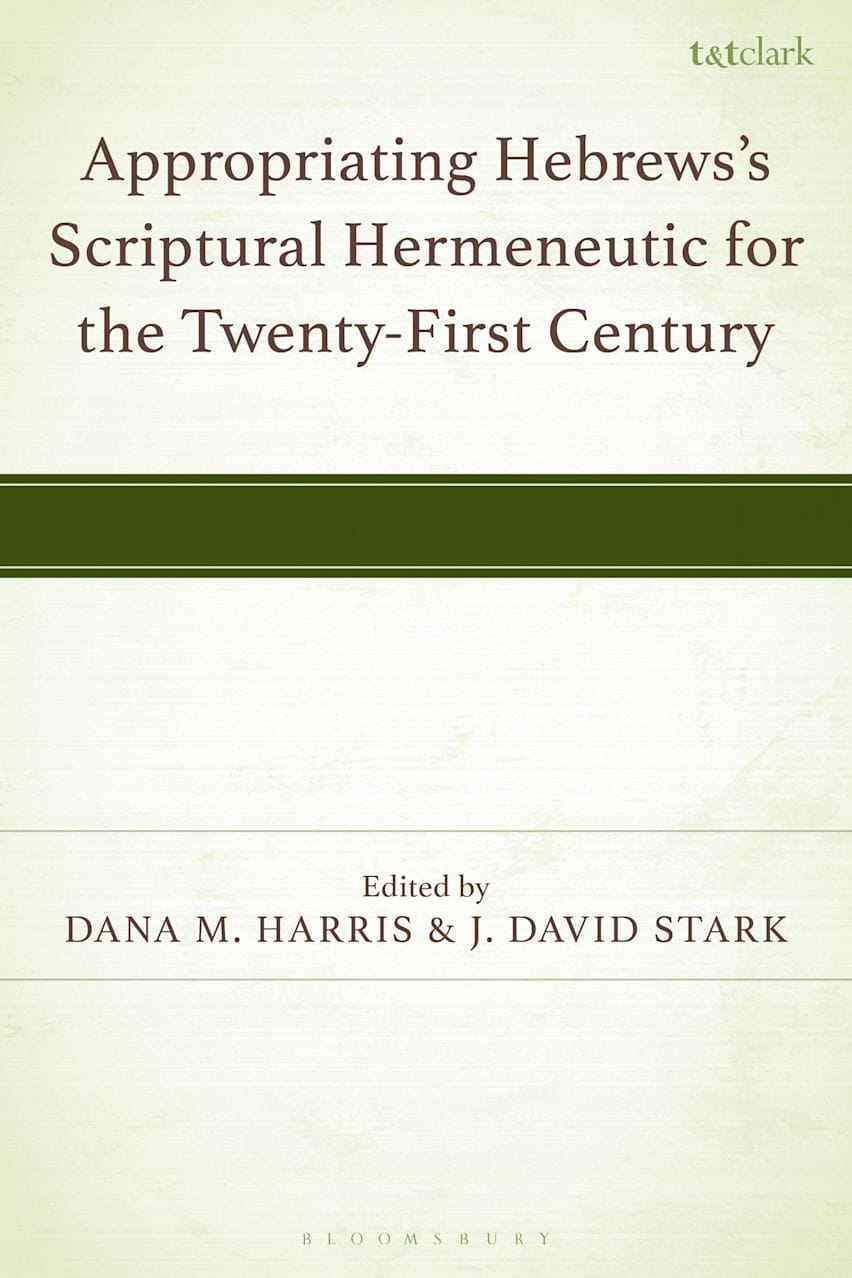
Header image provided by Tim Wildsmith. Author headshot provided by University of St. Andrews. Book cover image provided by Bloomsbury. ↩︎